Peridot
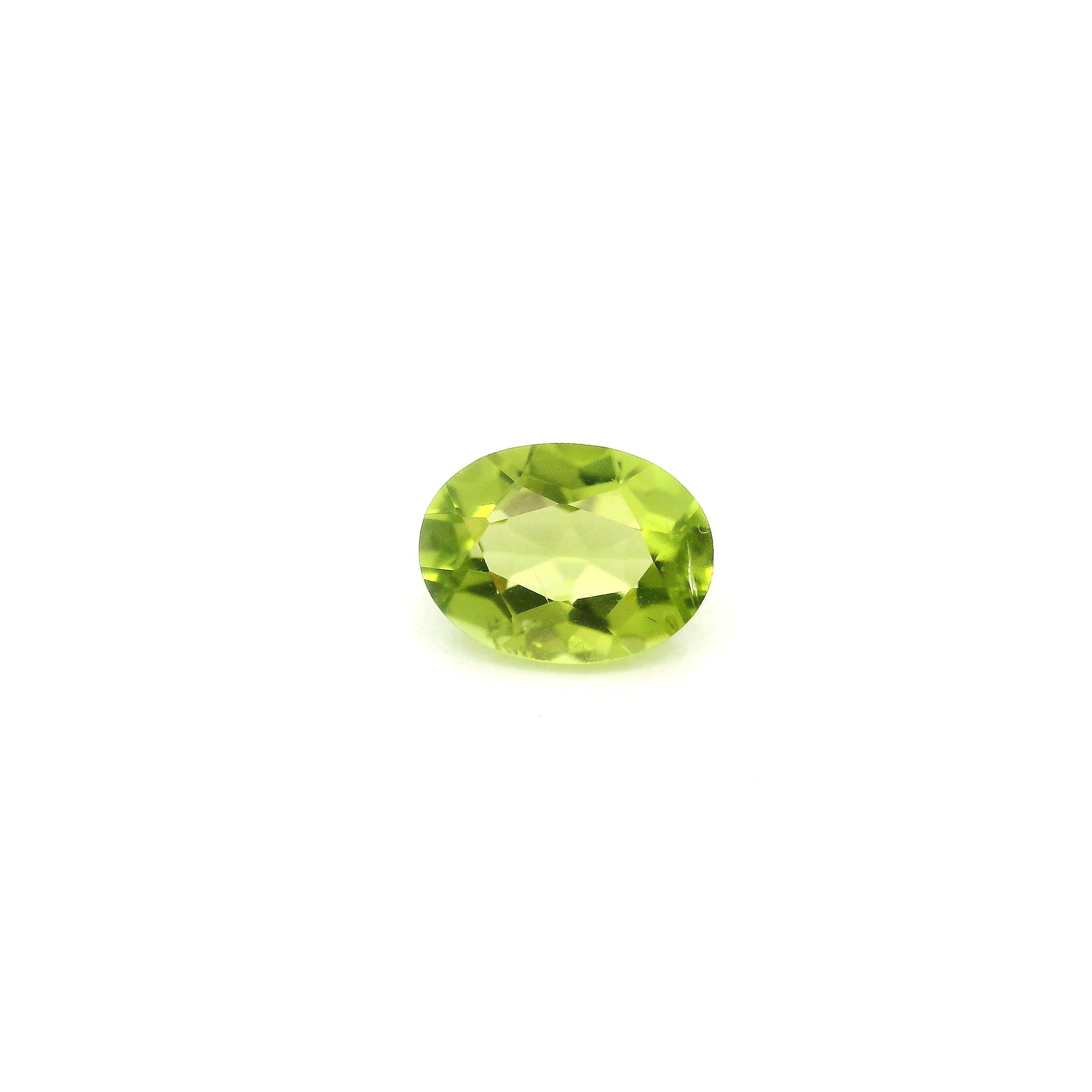
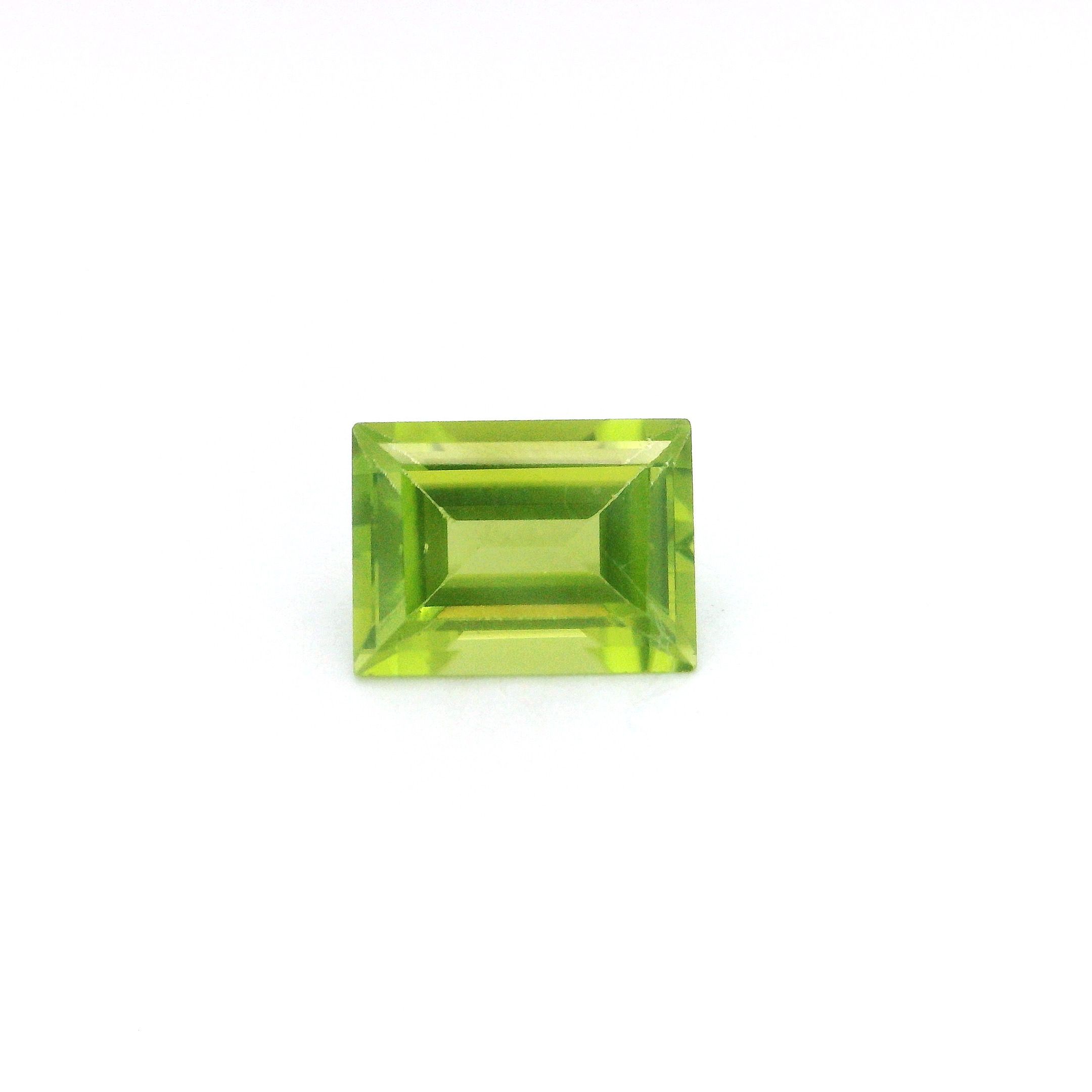
Peridot is gem-quality olivine — a magnesium-iron silicate. It’s the only major gemstone that exists in essentially one color: a yellowish to pure green driven by its iron content. (You can’t get blue peridot or red peridot — the chemistry doesn’t allow it.)
- 1
- 2
- 3
- 4
- 5
- 6
- 7
- 8
- 9
- 10
Everyday wear comfortably wants a 7+. Below 7, choose settings that protect the stone (bezel, halo) and store the piece carefully.
The color is striking — a warm yellow-green that some people read as “olive” and others as “chartreuse.” Either way, it’s distinctive. Few other gems sit in that exact color range.
Origin
- Egypt (Zabargad / St. John’s Island) — historical source worked from antiquity. Cleopatra’s “emeralds” were almost certainly peridot from these mines.
- Pakistan (Kashmir) — produces some of the finest modern stones, often called “Kashmiri peridot.” Vivid pure-green saturation.
- Arizona (San Carlos) — Native-American-operated mines on the Apache reservation. Smaller stones, vivid color, ethical sourcing story.
- China (Hebei) — high-volume production, mid-tier color.
- Myanmar (Mogok) — newer source for fine large stones; comparable to Pakistani.
Origin matters less for peridot than for sapphire or emerald — saturation and clarity dominate pricing.
Daily wear
At Mohs 6.75, peridot is below the comfortable daily-wear threshold. Protective settings (bezel, partial halo) extend the stone’s life; high-prong solitaires risk girdle wear over years. Avoid harsh acids, which etch the surface.
For an engagement ring, consider tsavorite garnet (Mohs 7) or chrome tourmaline as harder green alternatives. For pendant or earring use, peridot is a perfect fit — no impact risk, beautiful color.
Shop peridot pieces
Frequently asked
More from the gemstones guides
Written by
Anna
Jeweler · Formi Jewelry
Anna works with Formi clients on stone selection, setting design, and fit — making sure every piece is right before it’s made.
Book a consultation with our in-house jewelersLast updated May 2026