
The best stones for engagement rings
Most engagement rings are still center-stone diamonds for the obvious reason — diamond is the hardest material a customer can wear daily. But about a third of the rings we sell are colored stones, and the trade-offs are worth taking seriously rather than assuming "diamond or nothing."
The ranking below is for daily wear — the constraint is hardness above all, because a stone that picks up abrasion on year three is the sort of regret no setting can fix. Hardness on the Mohs scale:
- 1
- 2
- 3
- 4
- 5
- 6
- 7
- 8
- 9
- 10
Everyday wear comfortably wants a 7+. Below 7, choose settings that protect the stone (bezel, halo) and store the piece carefully.
The ranking
| Hardness | Why it works | What to know | |
|---|---|---|---|
| Diamond | 10 | Unmatched hardness, unmatched sparkle, deepest secondary market | The default for a reason. Lab-grown lets you double the visible size for the same budget. |
| Sapphire | 9 | Almost as hard as diamond; comes in every color; takes a heat treatment that stabilizes color permanently | Don't sleep on Montana teal sapphires for something distinctive. See the sapphire guide. |
| Ruby | 9 | Same hardness as sapphire (it is sapphire, technically); rich color | Burmese rubies hold value best. Insist on a lab report disclosing treatments — heat is fine, lattice filling is not. |
| Moissanite | 9.25 | Harder than sapphire; brighter fire than diamond; cheaper than both | Sparkles differently — more "rainbow" than diamond's white fire. You either love it or you don't. |
| Aquamarine | 7.5–8 | Underrated for engagement rings; soft cool blue, almost always eye-clean | Pair with a protective setting (bezel or partial halo). Soft enough to scratch over a 30-year horizon. |
| Spinel | 8 | Naturally colored (no treatment); historically mistaken for ruby — including the British Crown Jewels | An expert-level pick. Hard, rare, fully natural, often priced below sapphire for similar color. |
| Topaz (imperial) | 8 | Warm peach to pink color; harder than emerald | Cleavage planes — avoid sharp impact. Set with a halo or bezel for daily wear. |
| Emerald | 7.5–8 | The most coveted green; rich color even in smaller stones | Almost always oil-treated. Treat gently — no ultrasonics, no harsh chemicals. A daily-wear emerald needs a protective setting and willingness to re-oil every few years. |
| Tourmaline | 7–7.5 | Every color, often two in one stone (watermelon) | Just at the hardness threshold for daily wear. Bezel or protected halo settings preferred. |
What to skip for daily wear
These show up in engagement-ring searches but are honest mistakes for an everyday piece. Use them in earrings, pendants, or cocktail rings:
- Opal (Mohs 5.5–6.5) — water-sensitive, cleaves easily. A showstopper as a special-occasion stone; a heartbreak as an engagement ring.
- Pearl (Mohs 2.5–4.5) — too soft for any setting that touches a hard surface daily.
- Turquoise (Mohs 5–6) — porous, sensitive to oils, prone to color fading.
- Tanzanite (Mohs 6.5–7) — has perfect cleavage and reacts poorly to sudden temperature changes. Beautiful, but not for daily wear.
The case for non-diamond
You see colored stones gaining share in engagement rings every year. The reasons:
- Visual identity. A teal Montana sapphire reads as personal in a way a white diamond does not.
- Birthstone or sentimental link. A gift that nods to a birthday or an heirloom carries narrative weight.
- Budget. A sapphire engagement ring at the same total price as a diamond comparable buys a substantially bigger center stone and a stronger setting.
- Concern over the diamond industry. Mining, lab-grown environmental footprint, marketing-engineered demand — all valid factors. A colored stone with full origin disclosure sidesteps the debate.
The right reason to choose any stone, including diamond, is that the person wearing it will love it for fifty years.
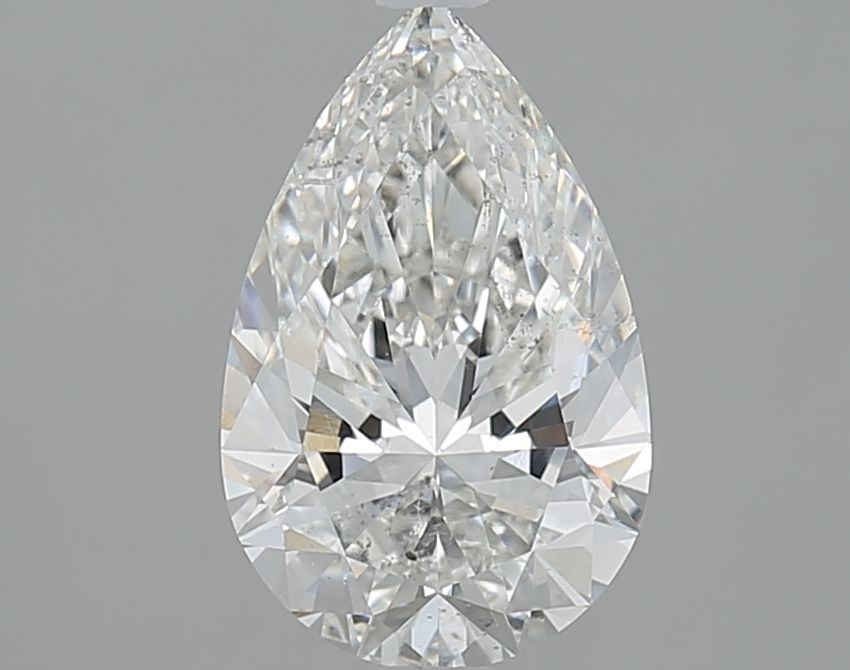
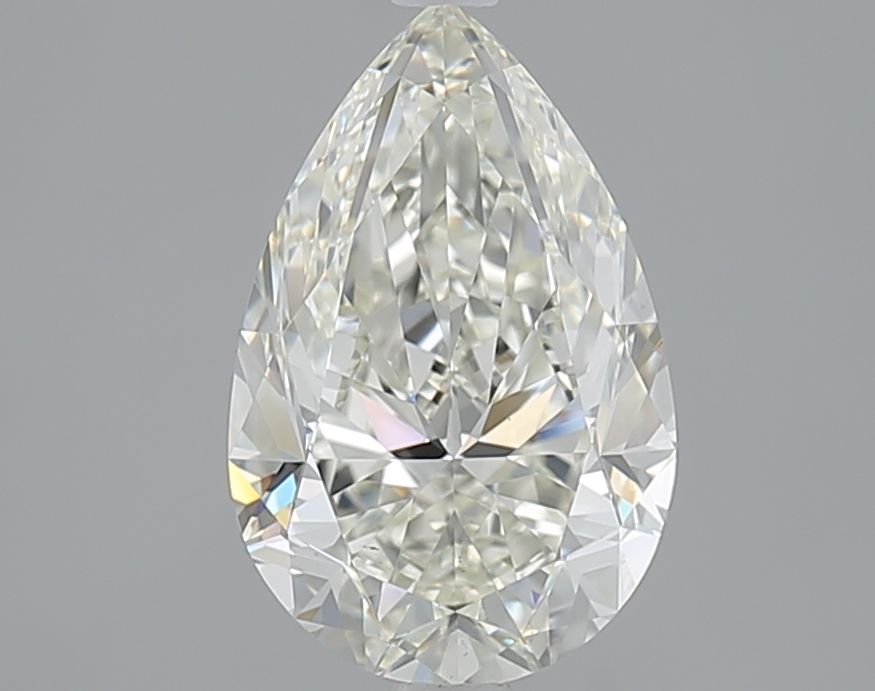
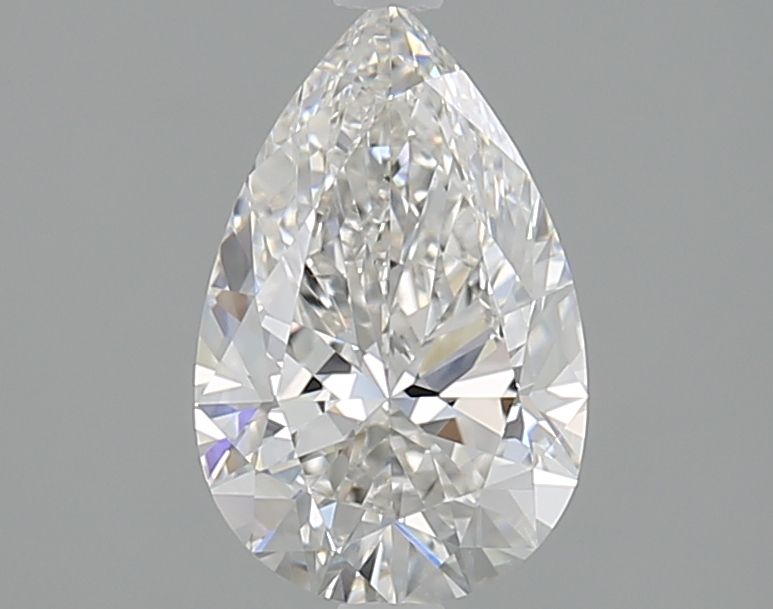
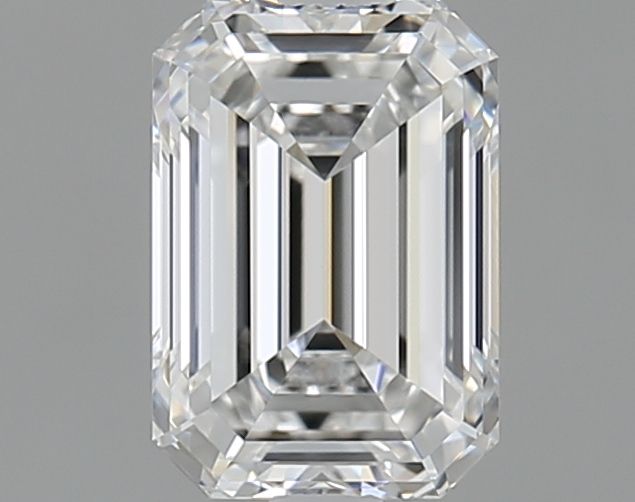
Browse diamonds for engagement rings
Frequently asked
More from the diamonds guides
Written by
Anna
Jeweler · Formi Jewelry
Anna works with Formi clients on stone selection, setting design, and fit — making sure every piece is right before it’s made.
Book a consultation with our in-house jewelersLast updated May 2026