Diamond certification
A grading report is the only thing between you and a seller’s word. For any meaningful purchase, insist on one. The question is whose.
The six labs that show up in retail today aren’t equivalent. They calibrate their scales differently, which means the same stone can carry meaningfully different grades depending on who graded it. Below, the honest position the trade actually takes — not the marketing copy the labs publish about themselves.
The labs
| Specialty | Trade reputation | Use it for | |
|---|---|---|---|
| GIA | Gemological Institute of America | Most conservative grader; the industry baseline | Any stone where you want a buyer-side hedge on grading. The gold standard for natural diamonds. |
| IGI | International Gemological Institute | Half a clarity grade more generous than GIA on average; strongest presence in lab-grown | Lab-grown diamonds (it grades them more comprehensively than GIA historically has). Discount the clarity grade by half a step when comparing prices. |
| AGS | American Gem Society | Cut-grade specialist; merged into GIA in 2022 | Reports issued before the merger remain trusted. New work flows through GIA. |
| GCAL | Gem Certification & Assurance Lab | Boutique; cut-quality focused | Stones where cut performance is the headline feature — they include a "light performance" map most labs skip. |
| HRD | Hoge Raad voor Diamant (Antwerp) | European trade standard; comparable to GIA on color/clarity | Loose diamonds bought in Antwerp or other European trade centers. Less common stateside but fully trusted. |
| EGL | European Gemological Laboratories | Substantially more generous than GIA — sometimes 2–3 grades on clarity | Approach with caution. An EGL "VS2" can be a GIA "SI2" or worse. Verify with a second lab if the price seems too good. |
Why grades differ
Grading is a human judgment with consistent biases by lab. The same stone graded by GIA and EGL might come back GIA G/VS2 and EGL E/VVS2 — not because either lab is lying, but because their internal calibration shifts what "G" means against their master stones. The difference shows up in resale: insurers and trade buyers reprice EGL stones to a GIA- equivalent grade, knocking 20–40 % off the asking price.
What a report includes
Every modern grading report ships with:
- The four Cs — cut, color, clarity, carat
- Measurements (length × width × depth in mm)
- Proportions diagram with table %, depth %, crown angle, pavilion angle
- Plotted inclusion map
- Polish + symmetry grades
- Fluorescence (none / faint / medium / strong / very strong)
- For lab-grown stones, growth method (HPHT or CVD) and any post-growth treatments
The good reports also include:
- Cut-grade overall (GIA round only; AGS pre-2022; GCAL all shapes)
- A photo of the stone (GCAL, GIA on request)
- Lab-grown disclosure on the girdle inscription (a microscopic etched "LG" or full lab name, visible at 10×)
How to read a report
A working buyer checks five things first:
- The report number matches the girdle inscription. Look at the stone under a loupe — the inscription should be the last few digits of the report number. If it doesn’t match, the cert is for a different stone. Rare but exists.
- The cut grade. Excellent or Very Good only.
- Polish + symmetry. Both Excellent for top tier; Very Good is fine.
- The inclusion plot. A few small inclusions near the edge are ideal; a single large one near the table is the worst position.
- Fluorescence. Strong + D/E/F = potential issue. Otherwise ignore.
What we accept
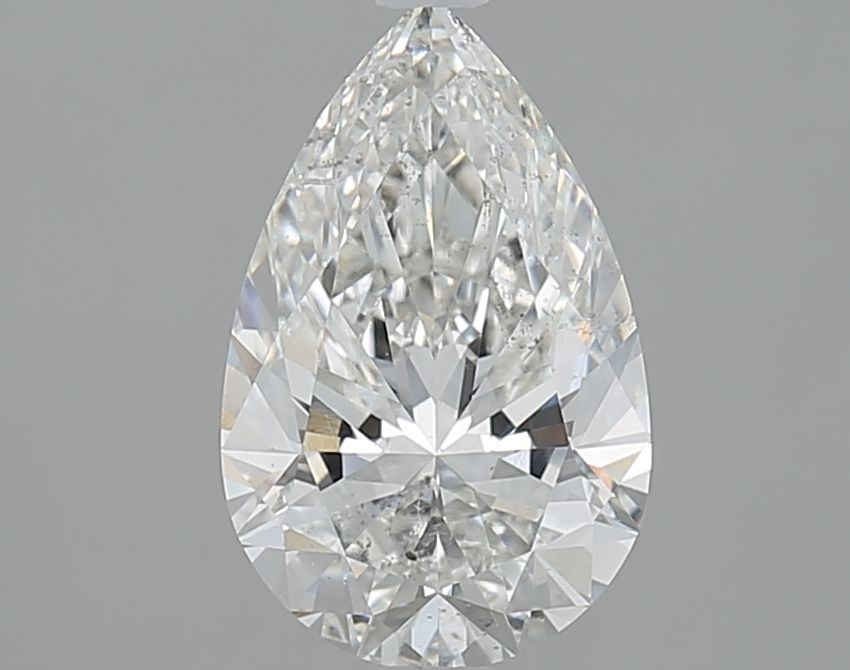
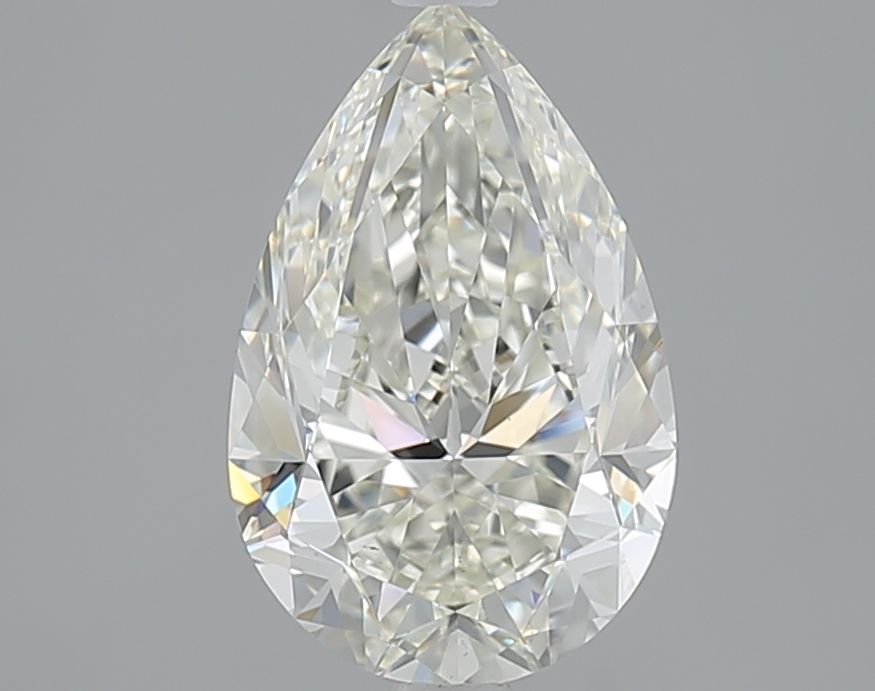
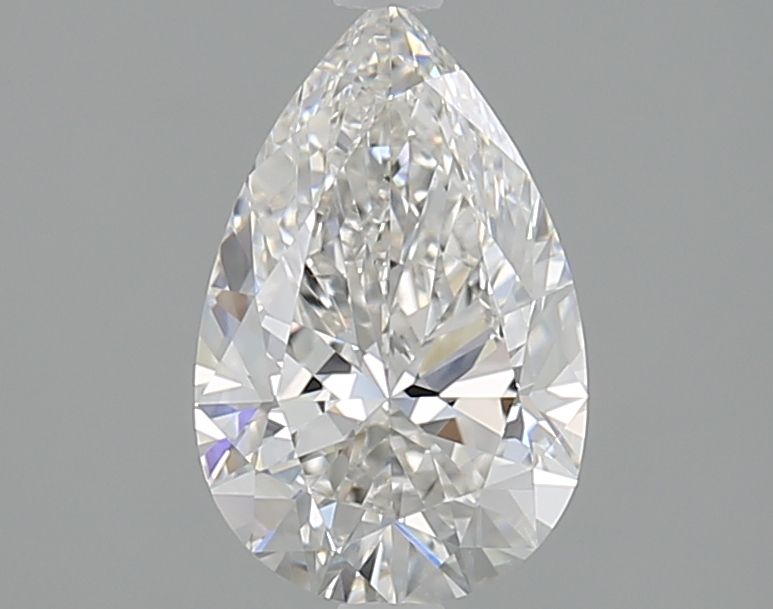
Pieces with center stones in our catalog ship with GIA or IGI reports by default. AGS, GCAL, and HRD on request. EGL we don’t accept on consignment because the calibration difference creates a fairness problem on resale — if you bought a stone from us and later try to trade it back, an EGL grade would be revalued to a GIA-equivalent and neither of us wants the surprise.
Browse our certified pieces
Frequently asked
More from the diamonds guides
Written by
Anna
Jeweler · Formi Jewelry
Anna works with Formi clients on stone selection, setting design, and fit — making sure every piece is right before it’s made.
Book a consultation with our in-house jewelersLast updated May 2026