
Amethyst
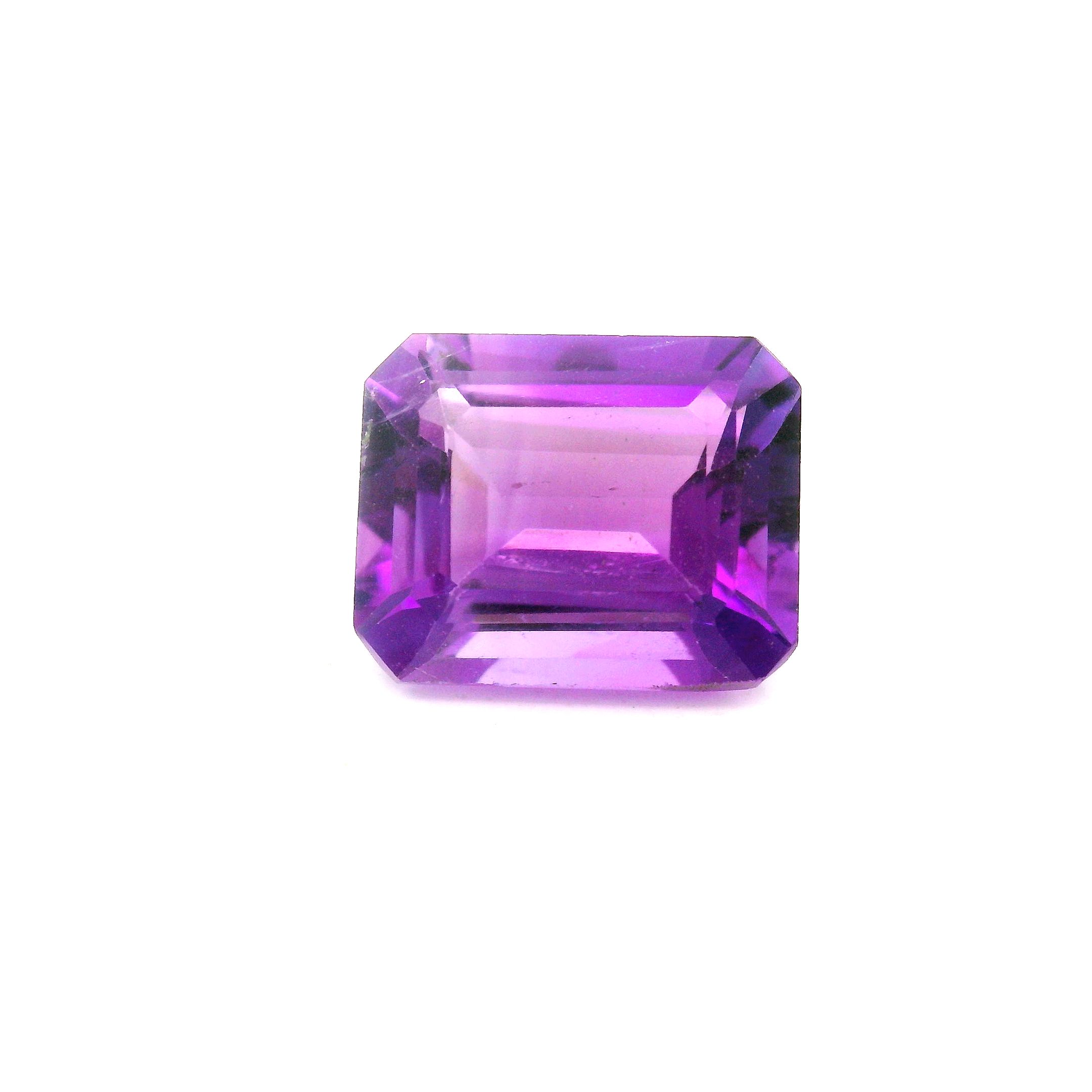
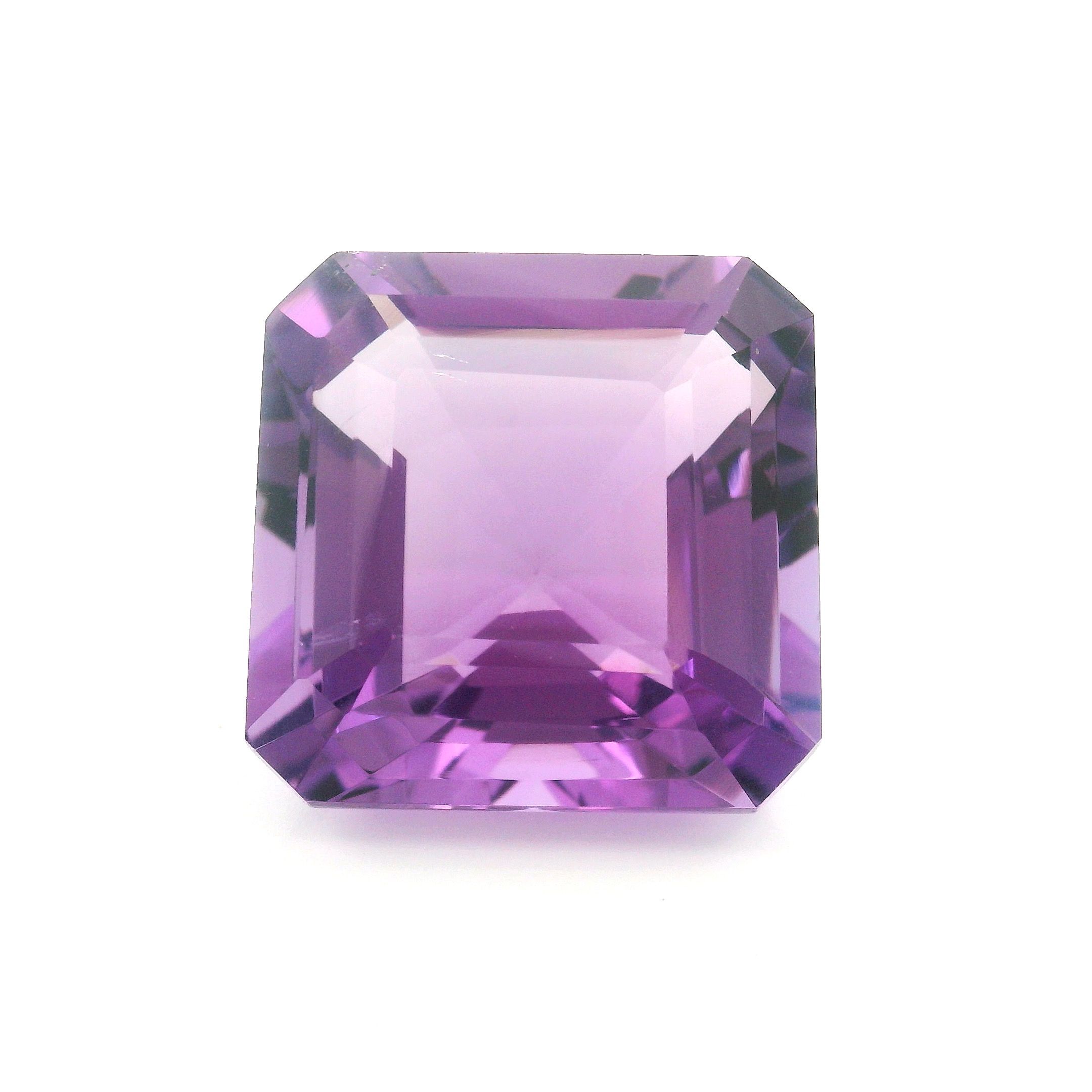
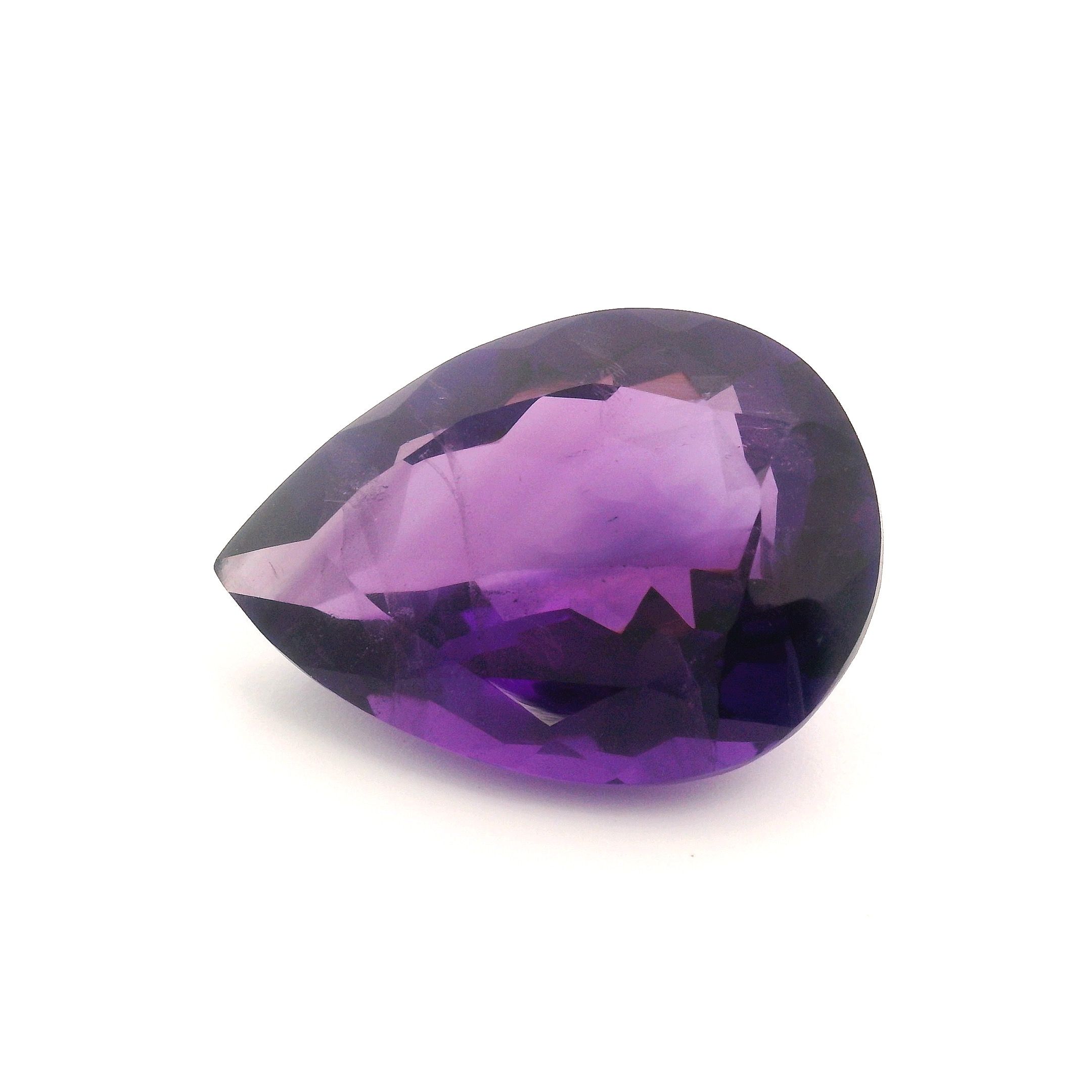
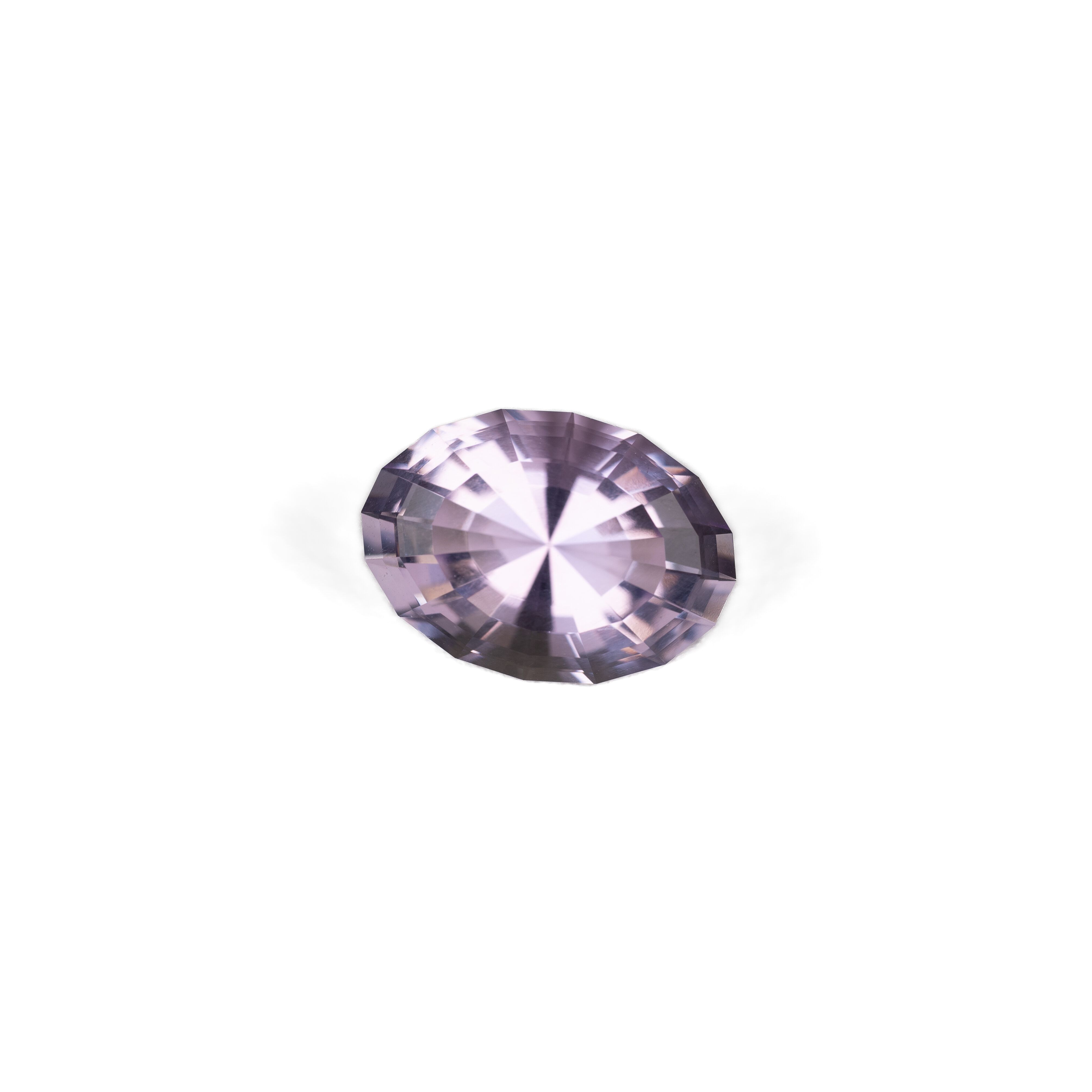
Amethyst is the purple variety of quartz, colored by iron and natural irradiation. For most of history it sat alongside ruby, emerald, and sapphire as a “cardinal” gem — until vast deposits were found in Brazil and Uruguay in the 1800s and the price collapsed. What was once a stone of kings is now one of the best values in color: deep, saturated violet for a fraction of any comparable gem.
- 1
- 2
- 3
- 4
- 5
- 6
- 7
- 8
- 9
- 10
Everyday wear comfortably wants a 7+. Below 7, choose settings that protect the stone (bezel, halo) and store the piece carefully.
At Mohs 7 it is the same hardness as every other quartz, which is to say hard enough for daily wear but soft enough to scratch over years of hard use. It is February’s birthstone and the traditional sixth-anniversary gift.
Color
Treatments
Most amethyst is untreated. Some pale material is gently heated to deepen color, and — notably — heating amethyst is how most citrine is made: the same mineral, the purple driven over to golden yellow. Heat is stable and permanent. Be aware that synthetic amethyst exists and is common in mass-market jewelry; we disclose natural versus lab-grown.
Daily wear
Amethyst wears well in every piece. Its one quirk: prolonged, intense sunlight or heat can fade some stones over time, so it is happiest as an everyday ring or pendant rather than something left in a sunny window. Any metal suits it; white metals keep the purple cool, yellow gold adds warmth.
Shop amethyst pieces
Frequently asked
More from the gemstones guides
Written by
Anna
Jeweler · Formi Jewelry
Anna works with Formi clients on stone selection, setting design, and fit — making sure every piece is right before it’s made.
Book a consultation with our in-house jewelersLast updated May 2026